09.29.1864 ~ OHNG

Pinn leaves legacy as Medal of Honor recipient
First Sgt. Robert Pinn served in Company I of the 5th United States Colored Troops, also known as the 127th Ohio Volunteer Infantry. On Sept. 29, 1864, during the Battle of New Market Heights, Va., Pinn took command of his company after all the officers had been killed or wounded and gallantly led it through the battle. For his actions, he was awarded the Medal of Honor. In August 2025, Fort Walker, Va., formerly Fort A.P. Hill, was redesignated as Fort A.P. Hill again, this time in recognition of Medal of Honor recipients Pvt. Bruce Anderson, Pinn and Lt. Col. Edward Hill. Pinn’s legacy lives on as part of the installation’s revived name.
1915-16 ~ TAG | OHARNG
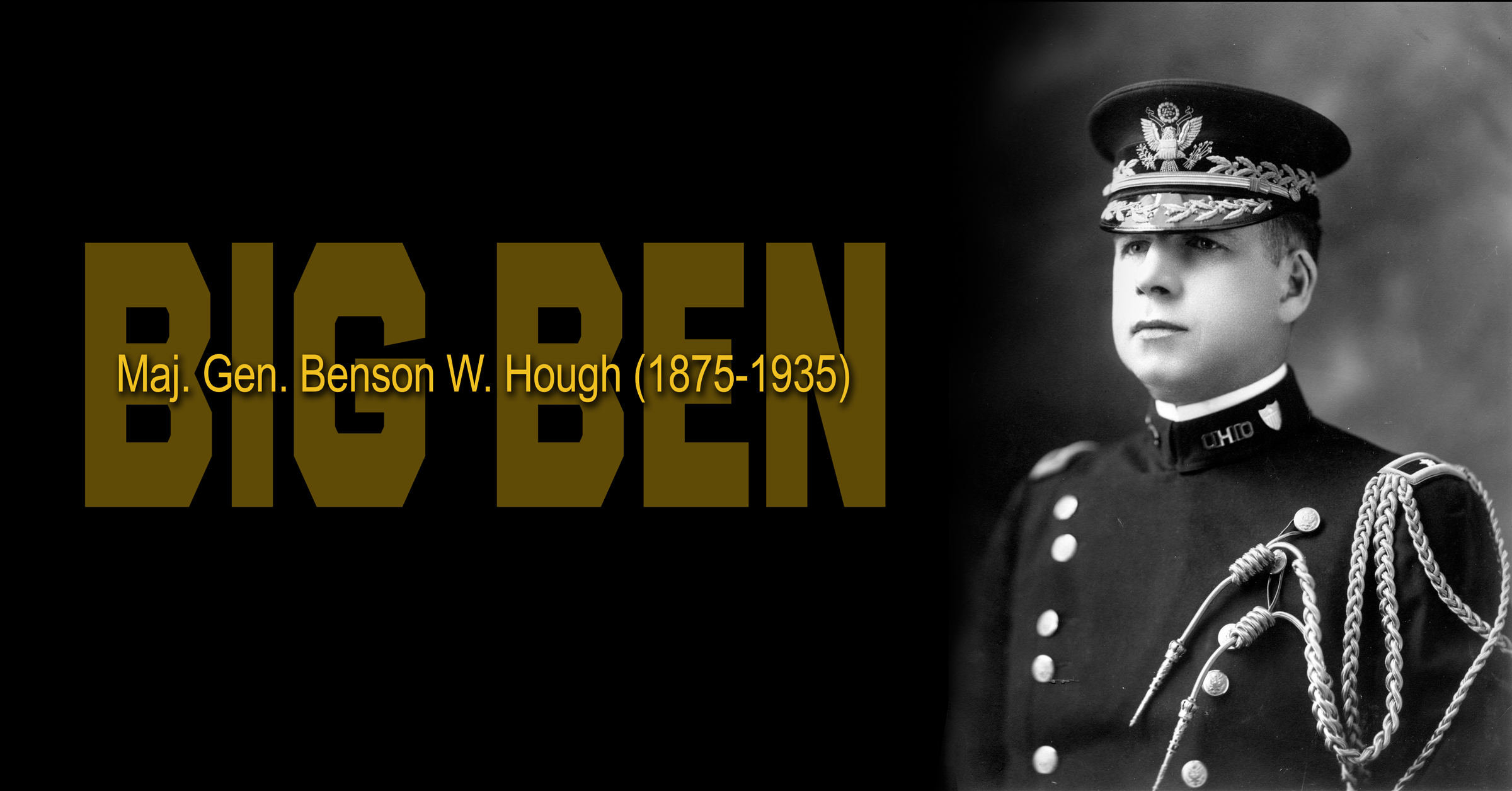
The quintessential Citizen-Soldier: Hough's life of service to Ohio, nation
Benson W. Hough was a man who served his community, state and nation in a variety of military and civilian roles, having a natural-born aptitude for leadership. His military career spanned four decades, including serving as adjutant general in 1915-16 and commanding the 166th Infantry in World War I. A multisport star in college, Hough earned a law degree and had a successful career that included time on the Ohio Supreme Court and as a federal district court judge.
08.01.1943 ~ OHANG | 180th FW
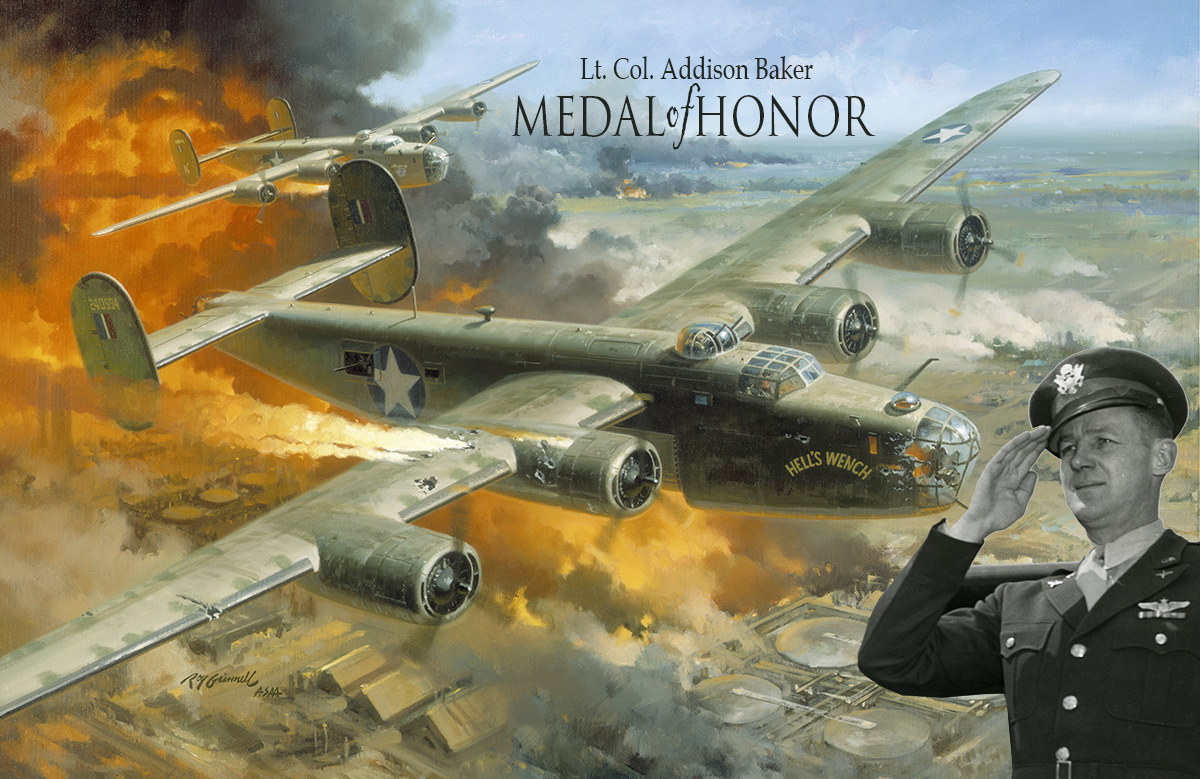
Lt. Col. Addison Baker earns Medal of Honor during WWII
Fire Over Ploesti, National Guard Heritage Series by Roy Grinnell, depicts Lt. Col. Addison Baker’s badly damaged B-24 Liberator, “Hell’s Wench,” during Operation Tidal Wave, Aug. 1, 1943. with Lt. Col. Addison Baker, circa 1943.
08.24.1943 ~ OHANG | 121ST ARW
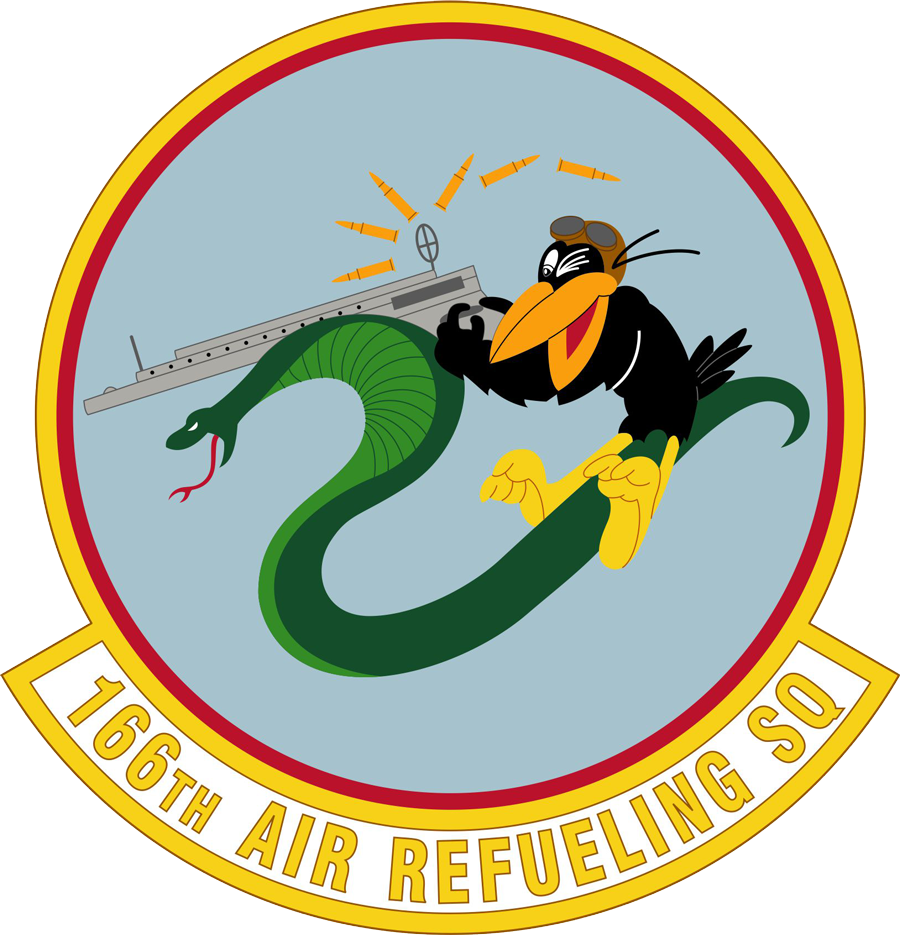
166th Air Refueling Squadron emblem dates back to World War II
On Aug. 24, 1943, the emblem for the 166th Air Refueling Squadron was approved by the Army Air Corps for the 364th Fighter Squadron. Initially, the emblem was approved as an aircraft marking. During World War I, units were directed to paint their emblem on each side of an aircraft’s fuselage. This practice continued into World War II and became the identifying symbol of a particular unit. These emblems were often turned into patches that were worn on uniforms or painted onto flight suits and jackets.
01.09.1945 ~ OHARNG | 37TH IBCT
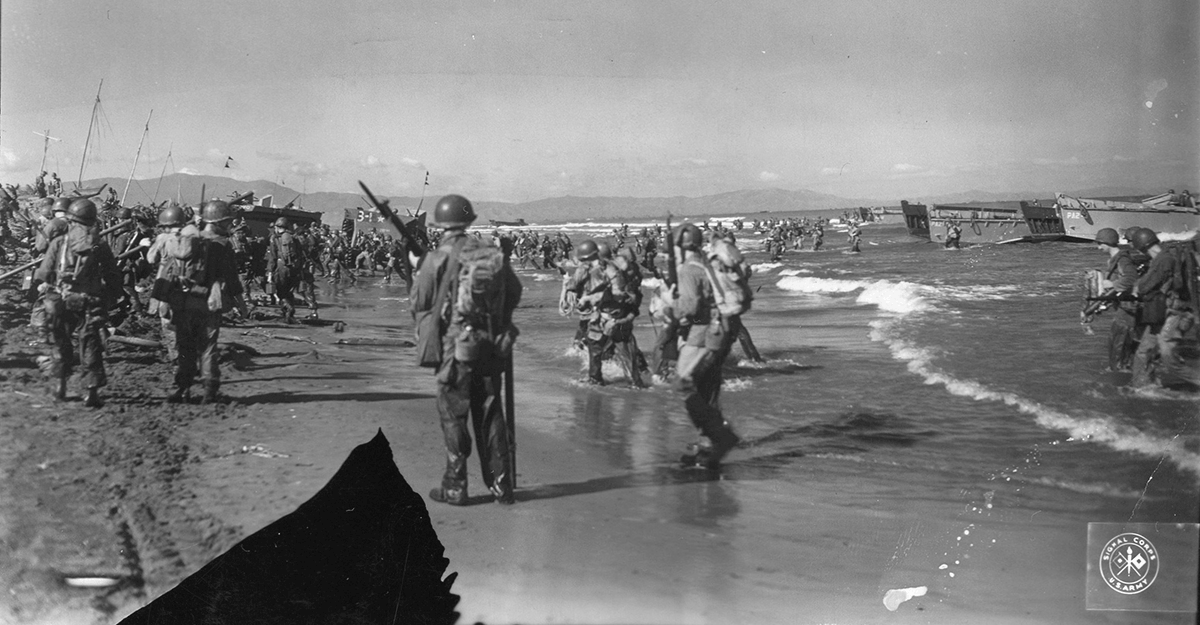
37th Infantry Division in the Luzon Campaign
Soldiers, guns and equipment of the 37th Infantry Division pour ashore during the American landing on Lingayen Gulf, Luzon, Philippine Islands, Jan. 9, 1945.
02.04.1945 ~ OHARNG
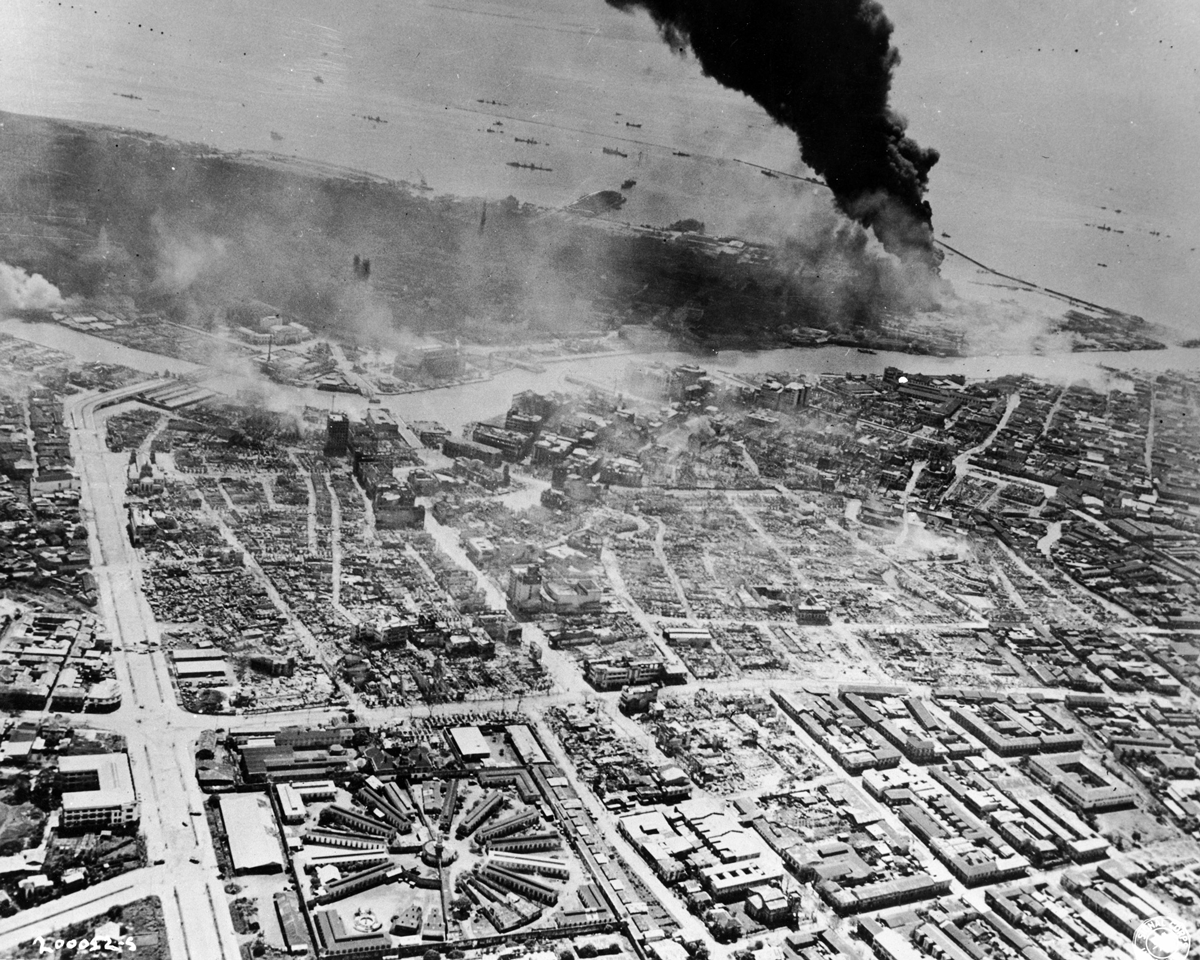
‘WE’VE COME TO FREE YOU'
The liberation of Bilibid Prison
On Feb. 4, 1945, elements of the 148th Infantry Regiment liberated 800 service members and 450 civilians who had been interned for the past three years by the Japanese military at the Bilibid Prison in Manila, Philippines.
04.15.1945 ~ OHARNG | 37TH IBCT
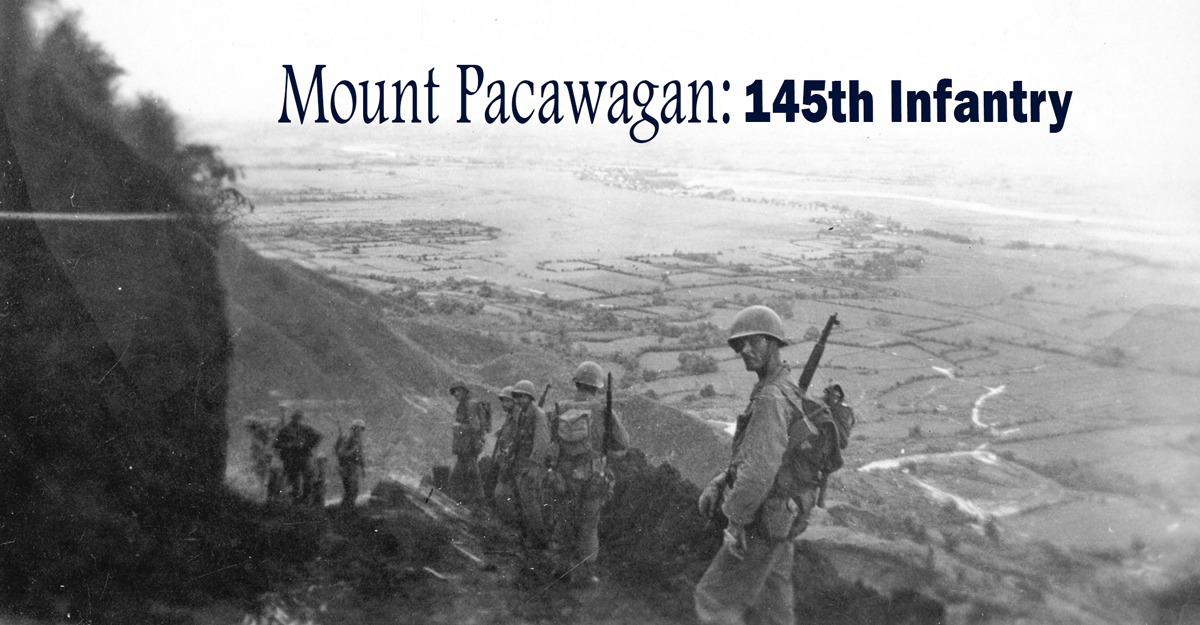
The 145th Infantry's attack of Mount Pacawagan
History of the 145th Infantry, 37th Infantry Division role in the attack on Japanese forces at Mount Pacawagan in the Philippines on April 21, 1945. The ensuing 25-day battle during World War II ended the threat of the Japanese army north of Manila.
07.02.1955 ~ OHANG | 179TH CW
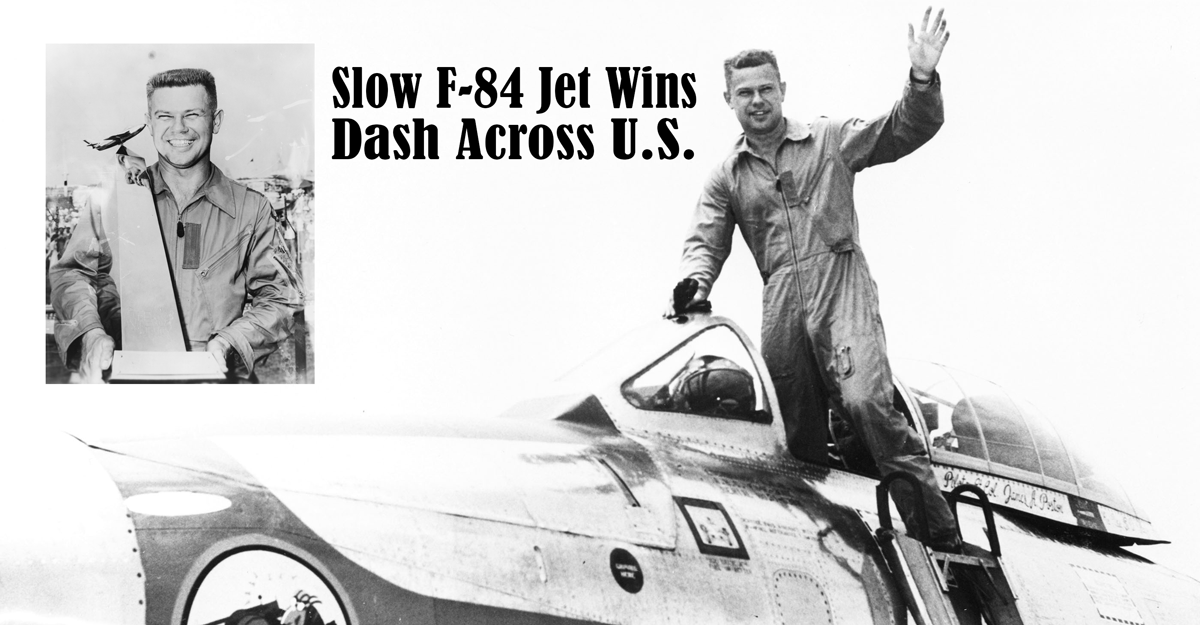
Ohio Air National Guard pilot wins cross-country jet race
“Slow F-84 Jet Wins Dash Across U.S.” was the newspaper headline that announced Lt. Col. James Poston of the 166th Fighter-Interceptor Squadron as the winner of the 1955 Ricks Memorial Trophy race that took place on July 2, 1955. Poston raced the 1,945 miles from Ontario, Calif. to Detroit in 3 hours, 32 minutes at an average speed of 546 miles per hour in a F84E “Thunderjet.”
09.07.1974 ~ OHNG

Stow armory named for U.S. Colored Troops hero during Civil War
First Sgt. Robert Pinn (1843-1911), Company I, 5th United States Colored Troops, earned the Medal of Honor during the Battle of New Market Heights, Va. on Sept. 29, 1864. A native of Stark County, he was the first Black Soldier to have an armory or readiness center named after him in the state, in the early 1970s, when the new Ohio Army National Guard Armory in Stow was opened.
03.25.1990 ~ OHARNG | OHANG

THE MEDAL OF HONOR
In 1990, Congress designated March 25 as “National Medal of Honor Day.” The date for the holiday was chosen to honor the anniversary of six Ohio Soldiers who were the first to receive the Medal of Honor from Secretary of War Edwin Stanton in 1863 during the American Civil War.